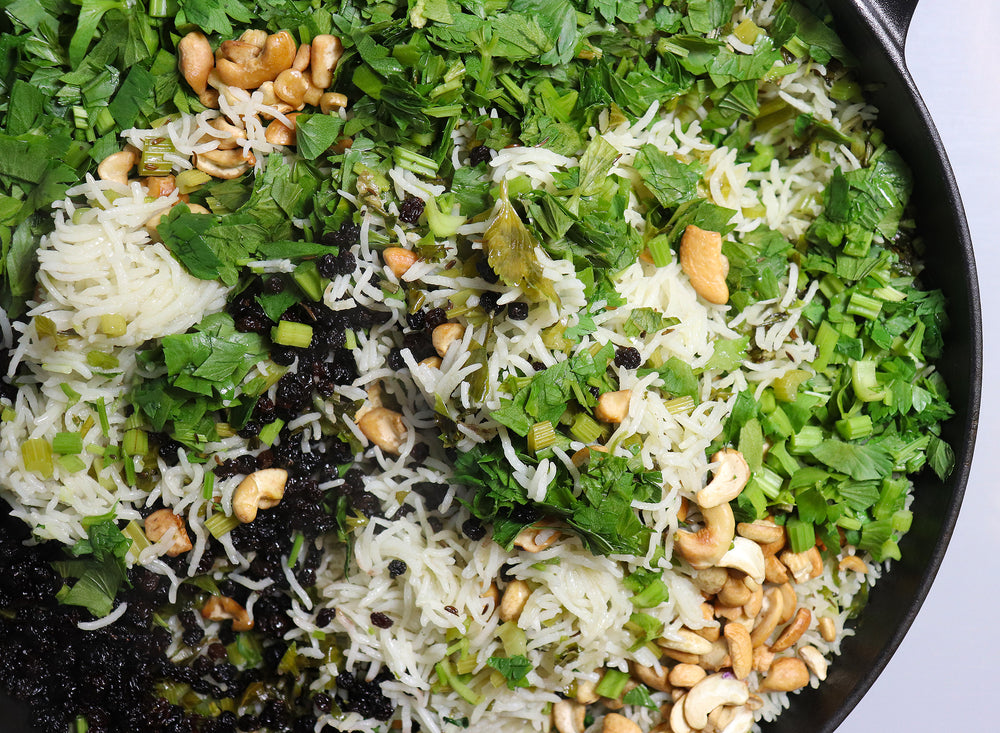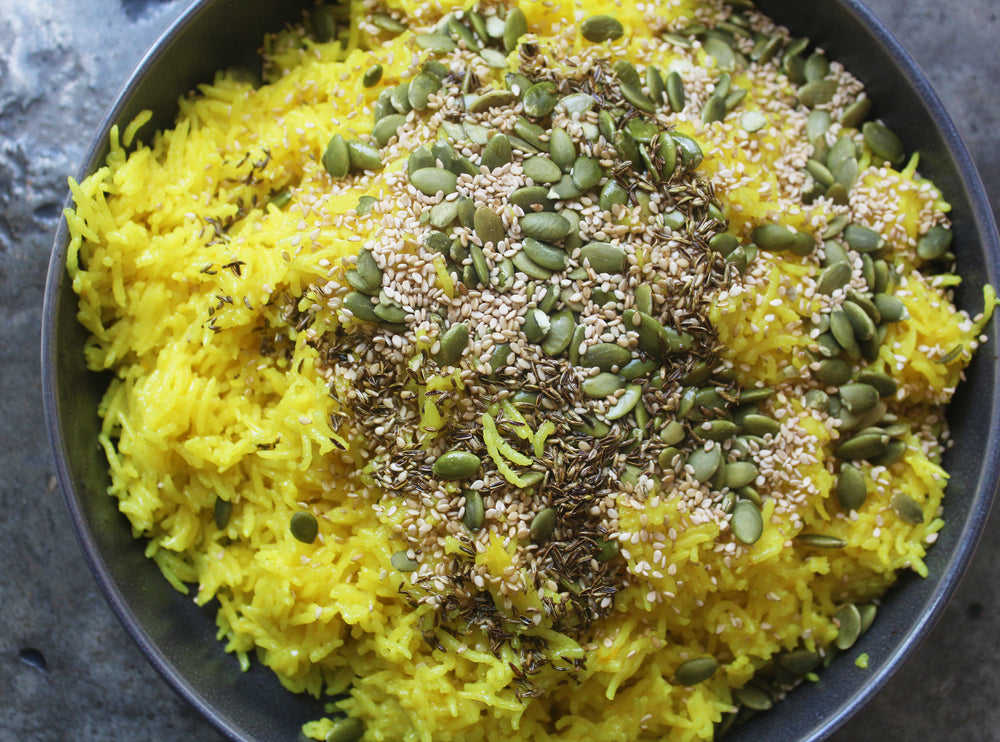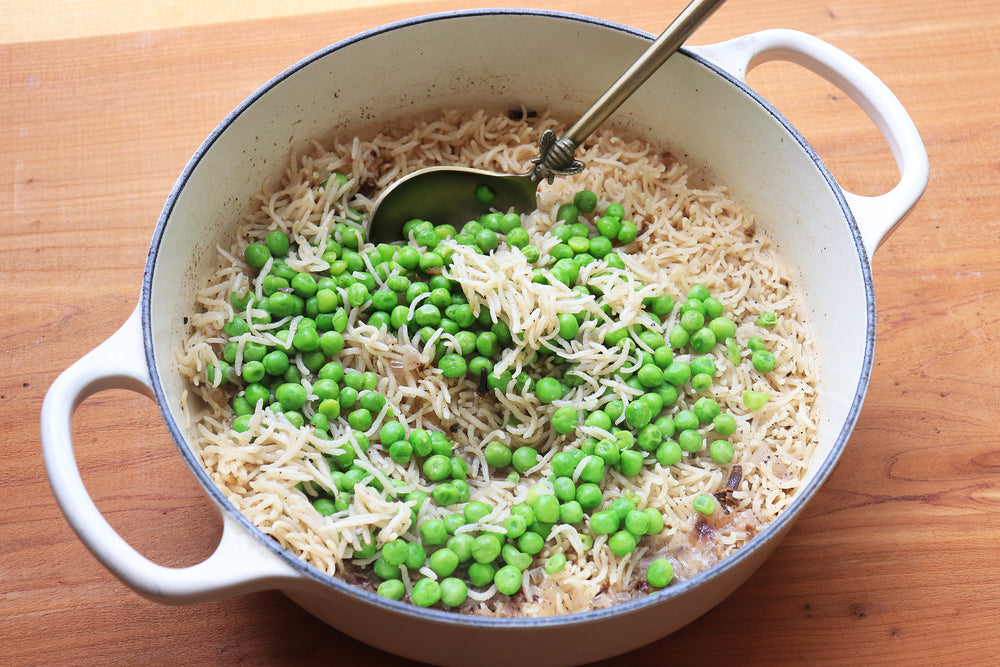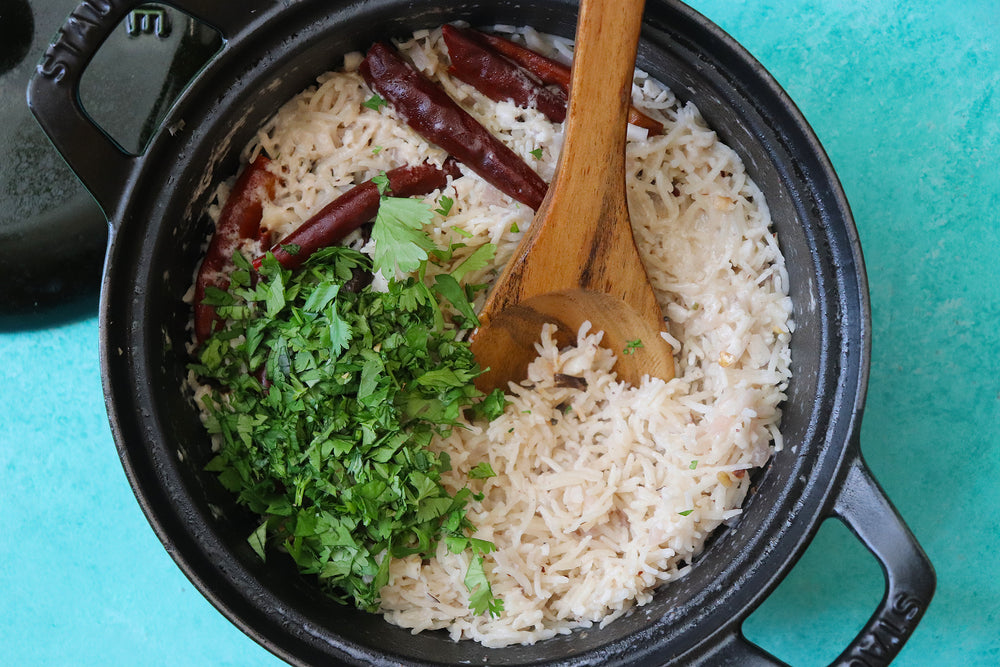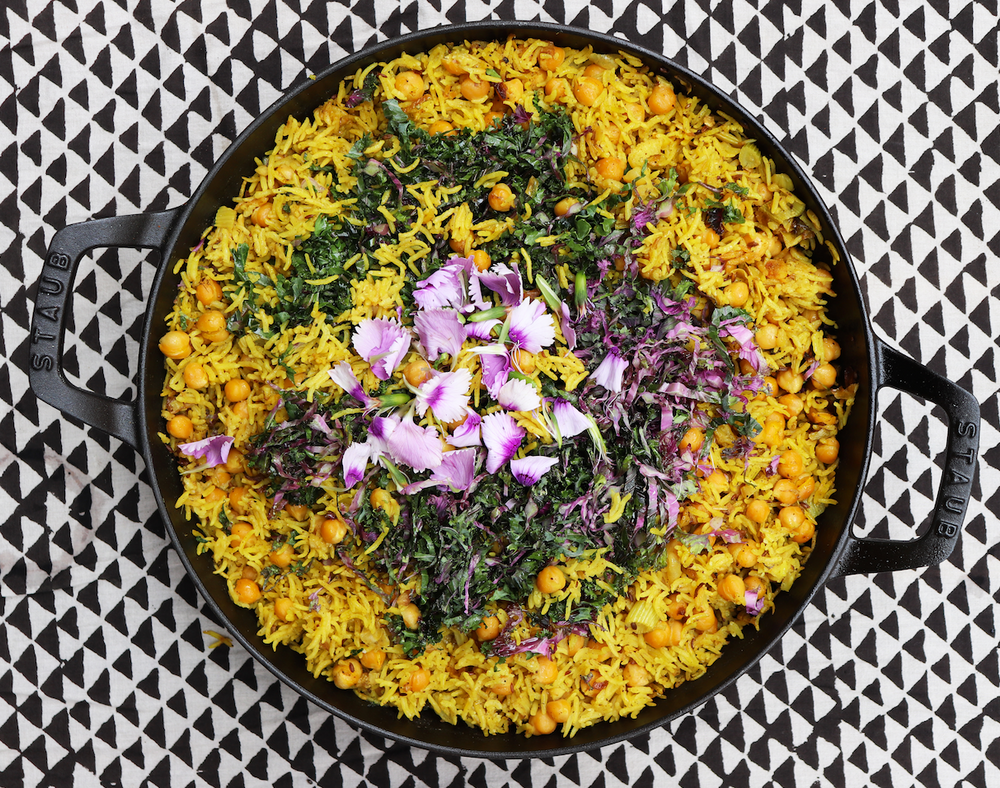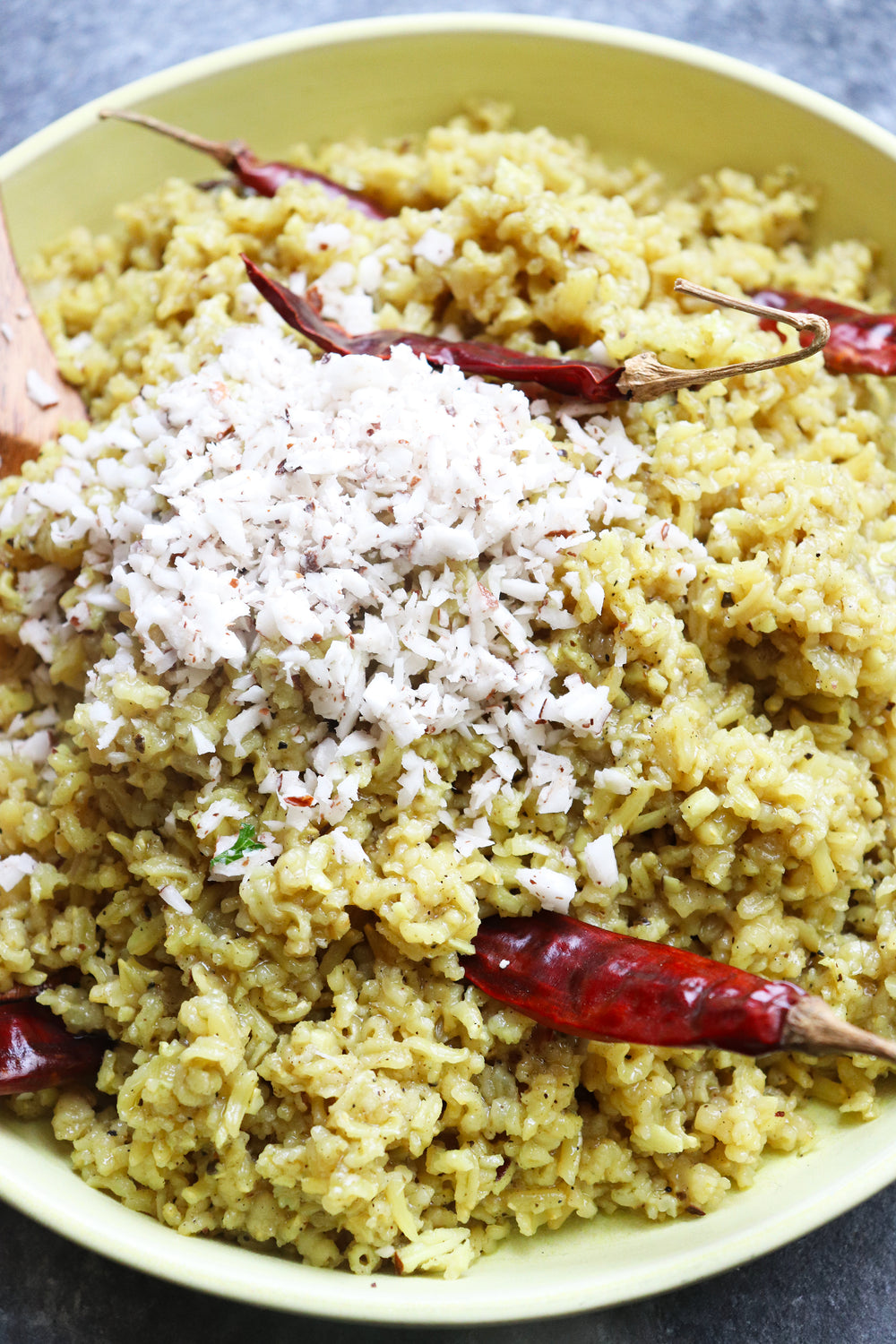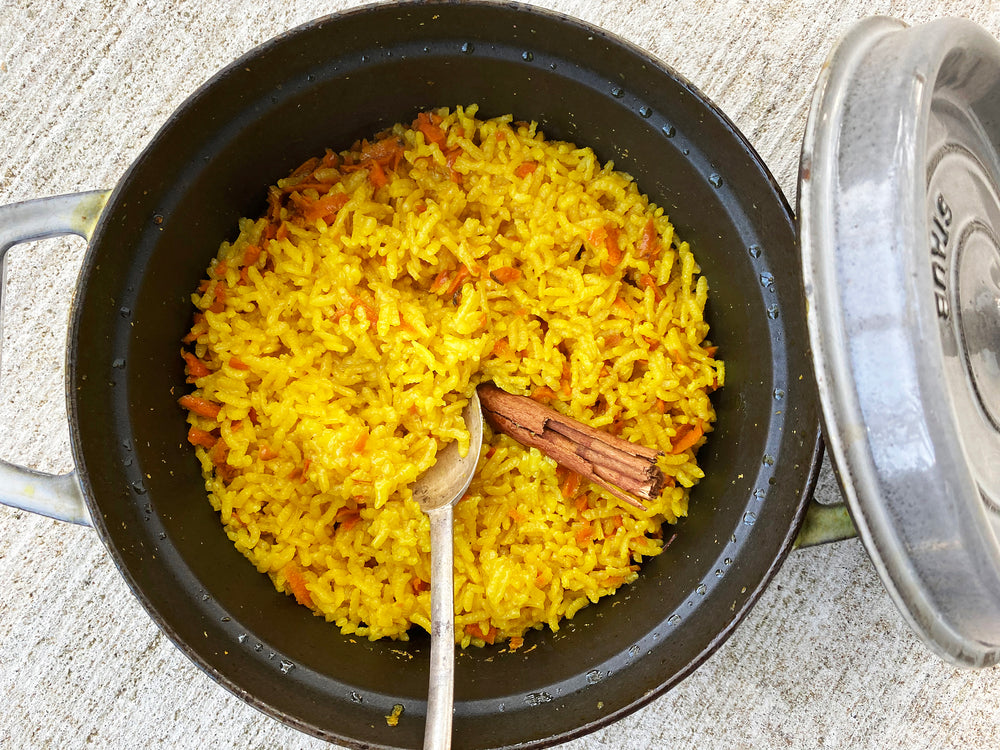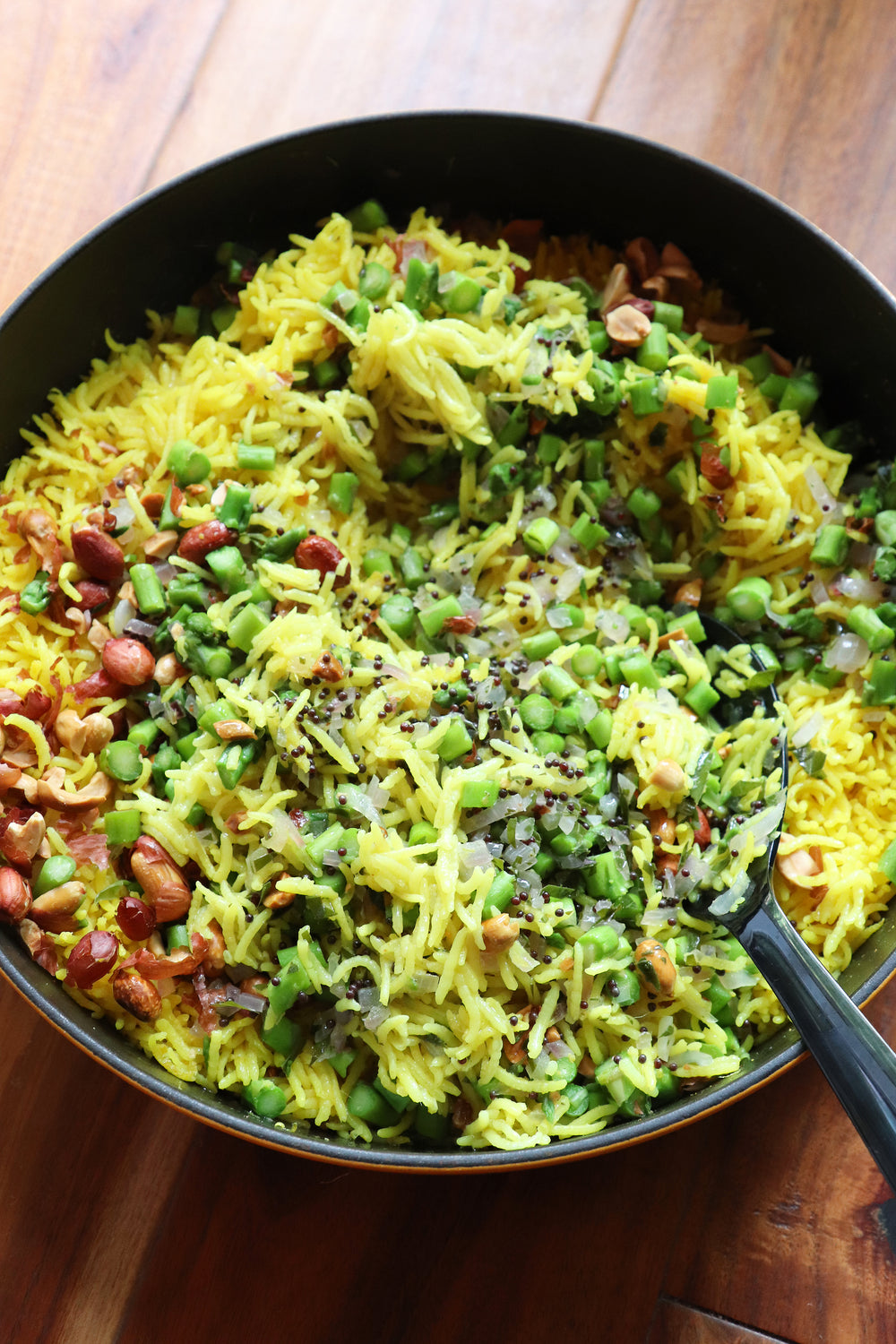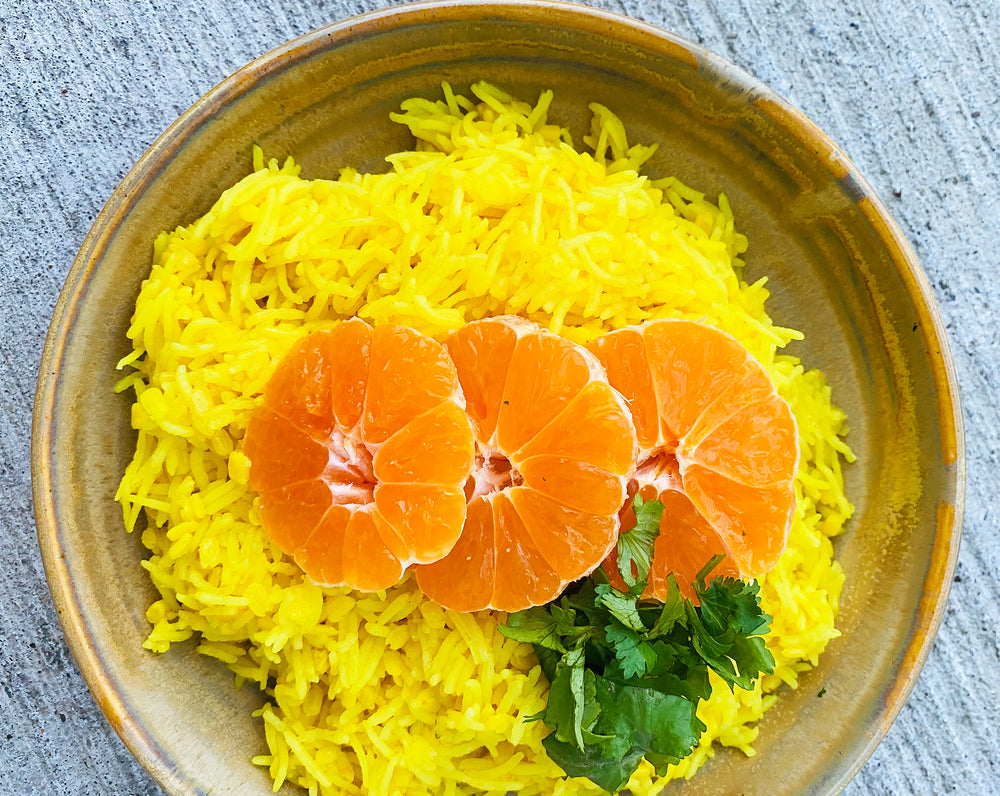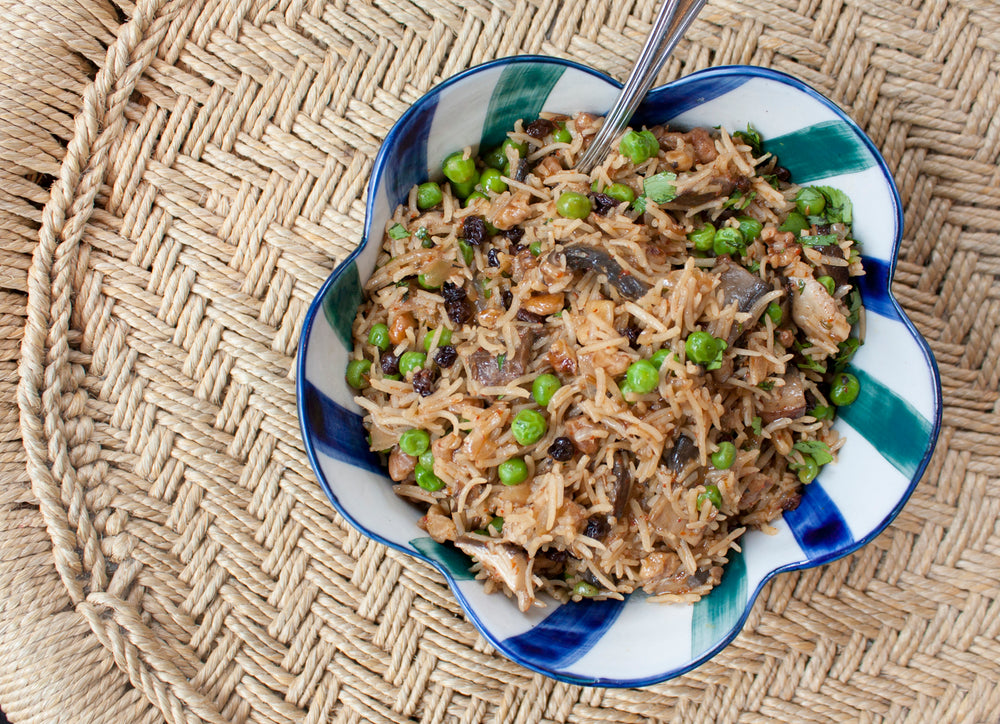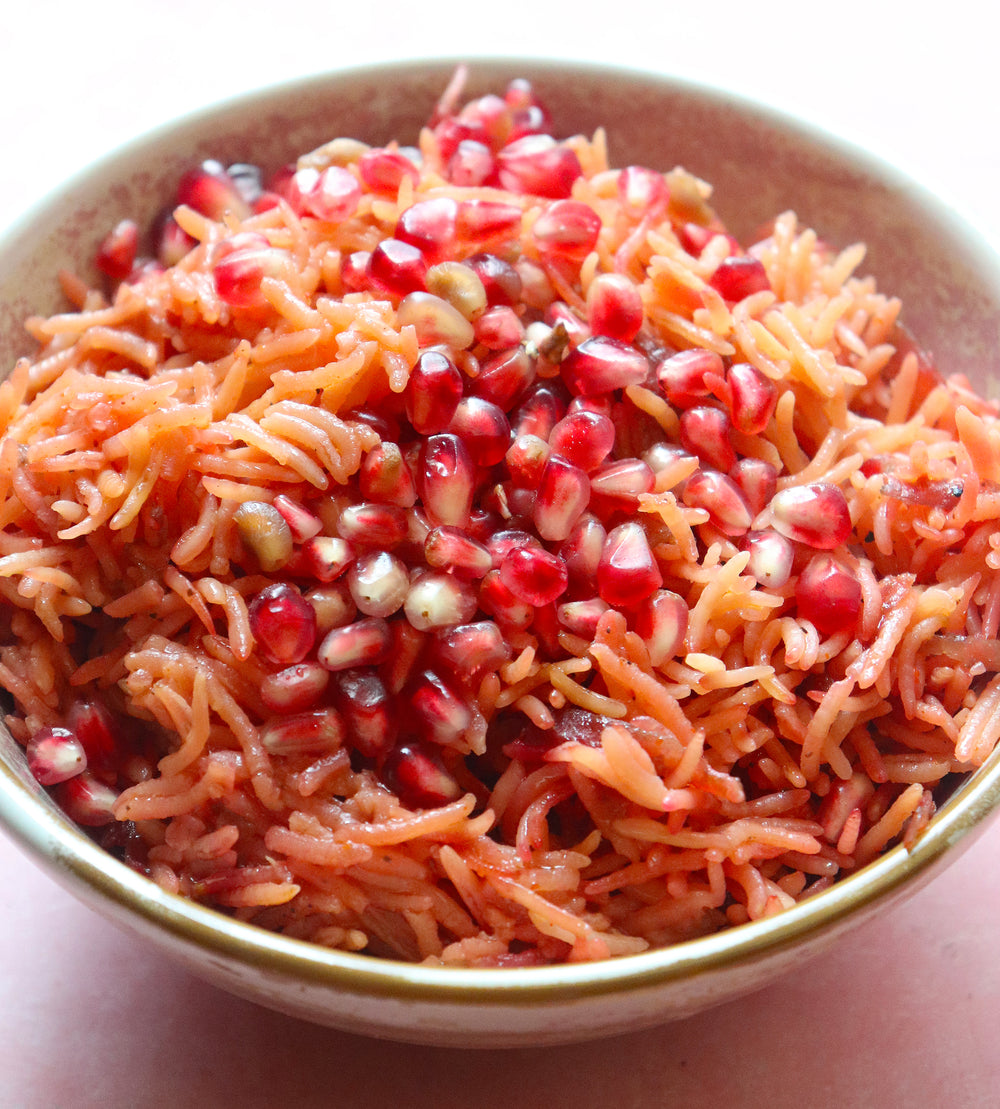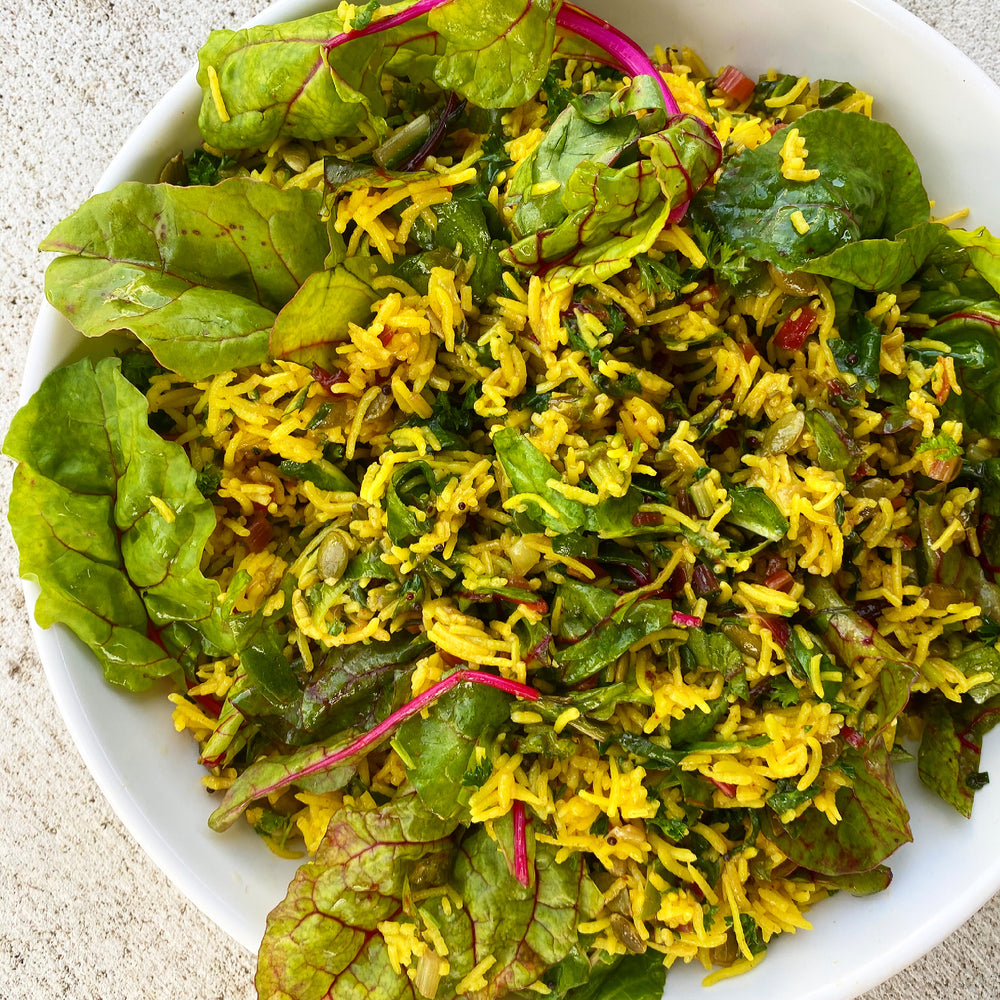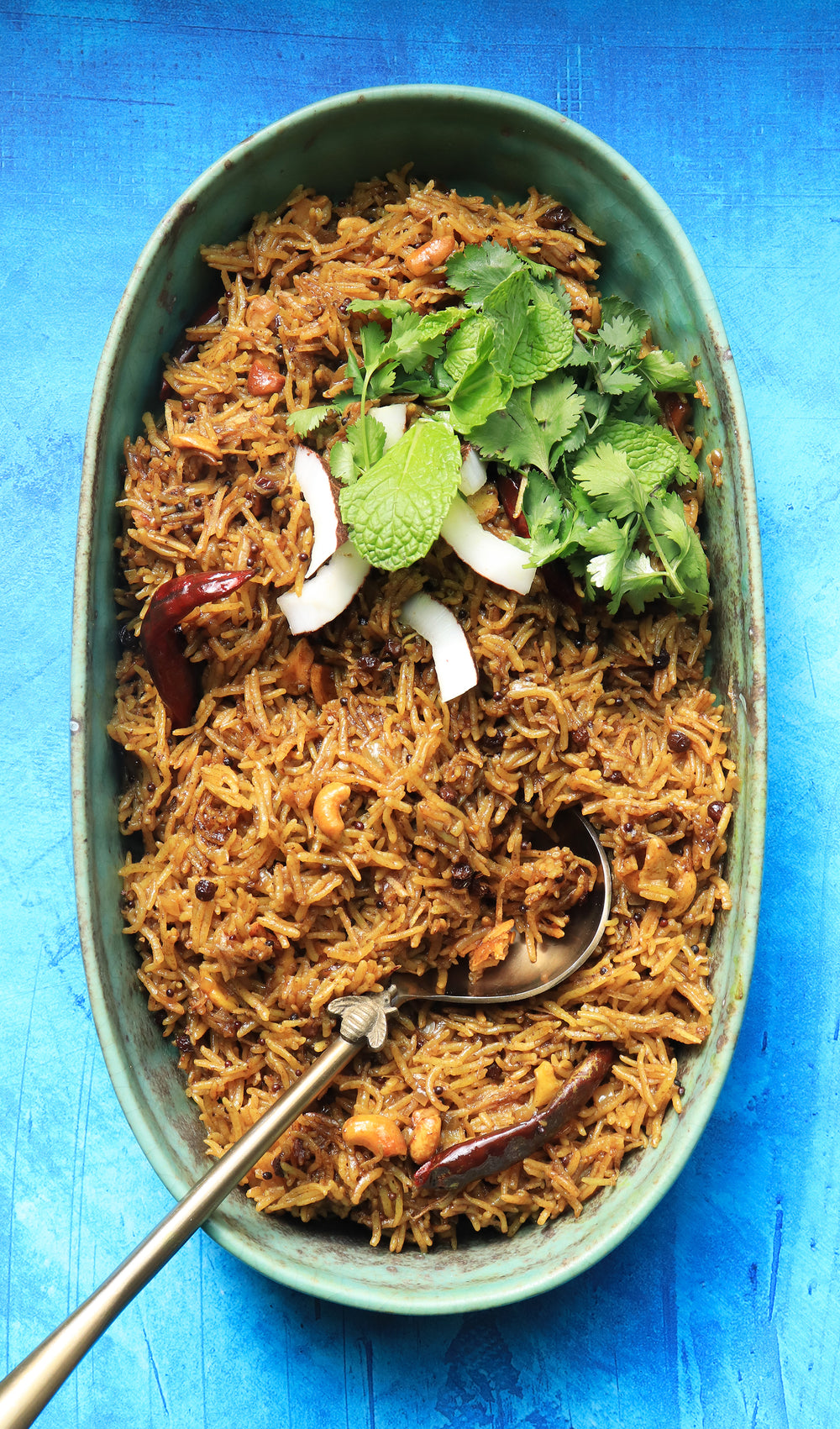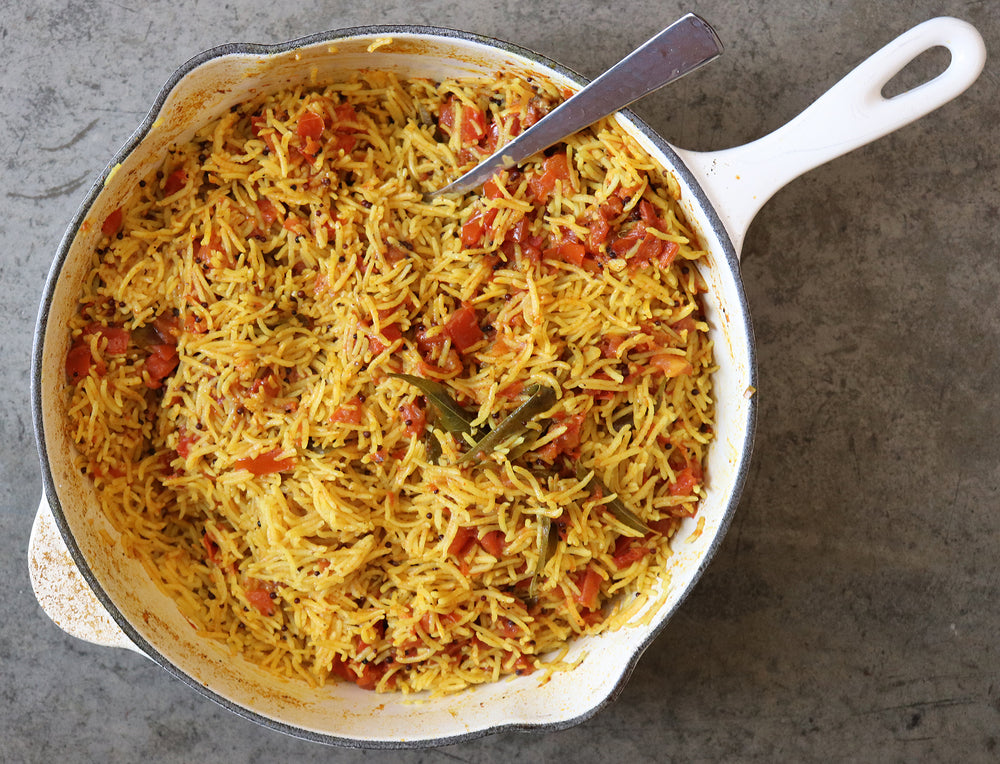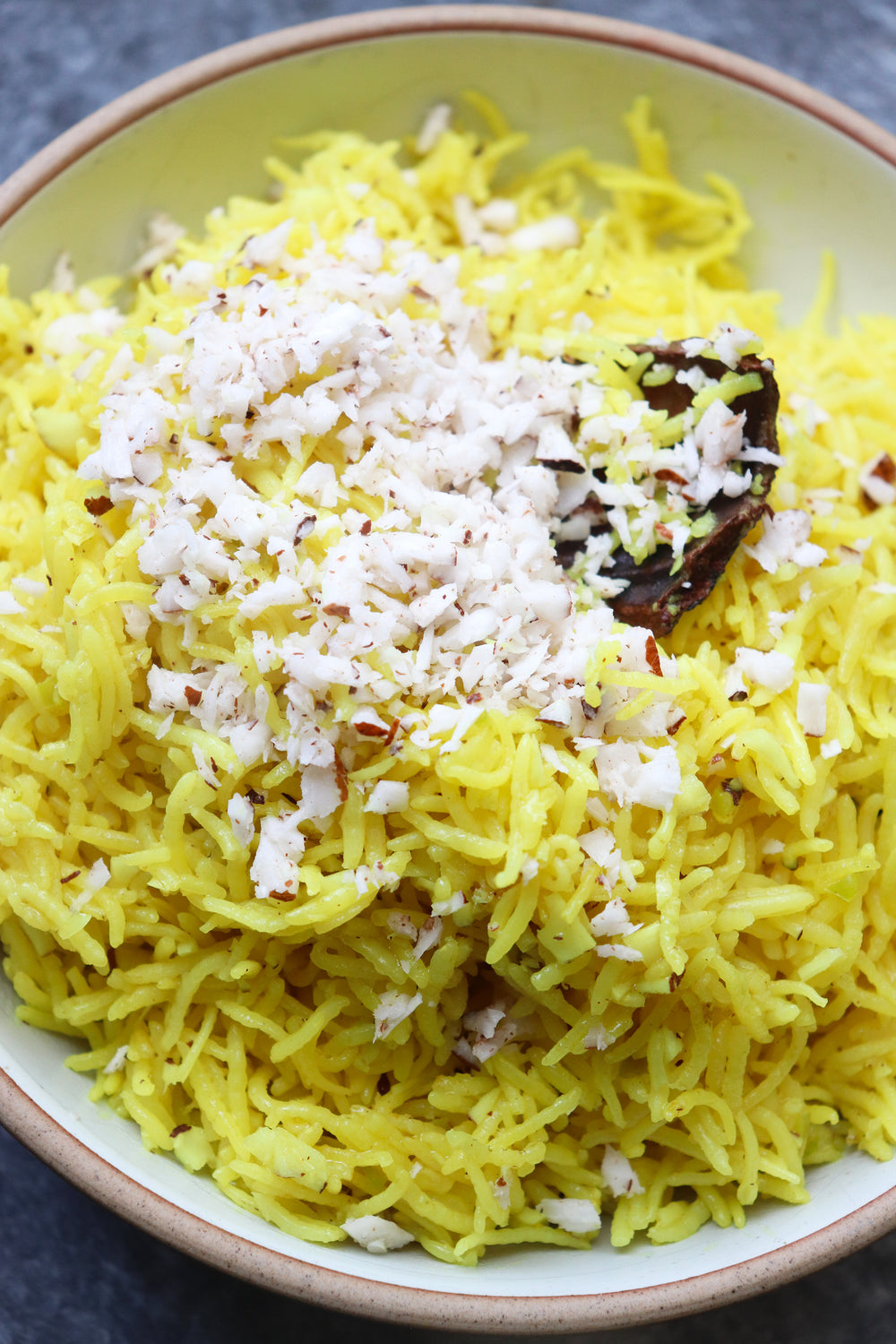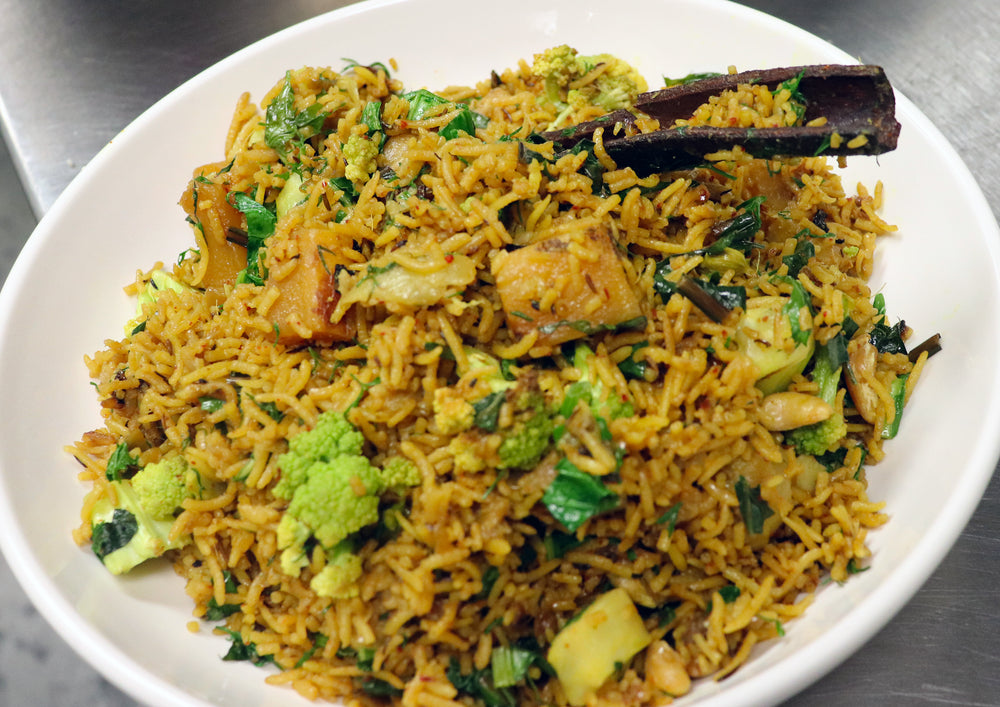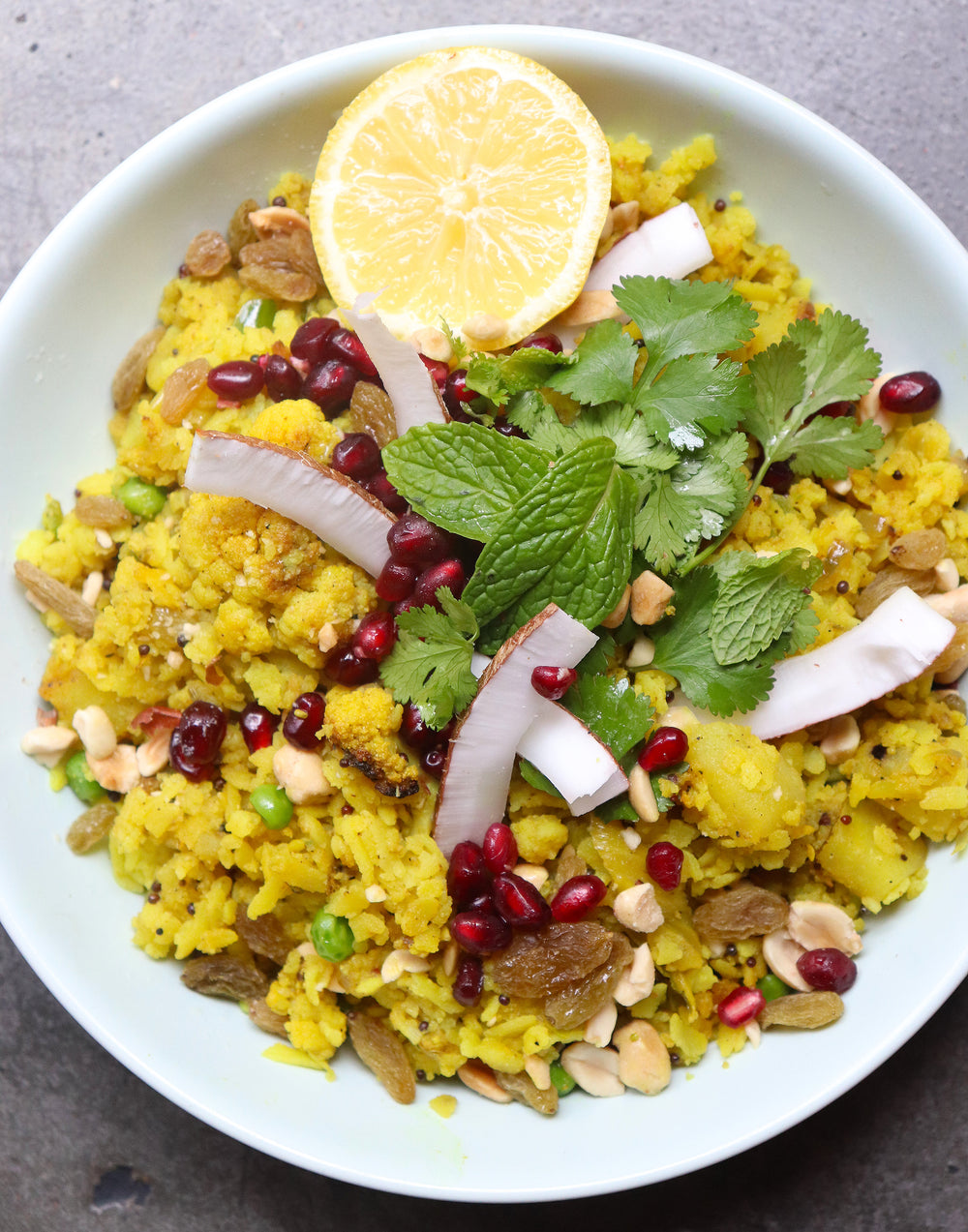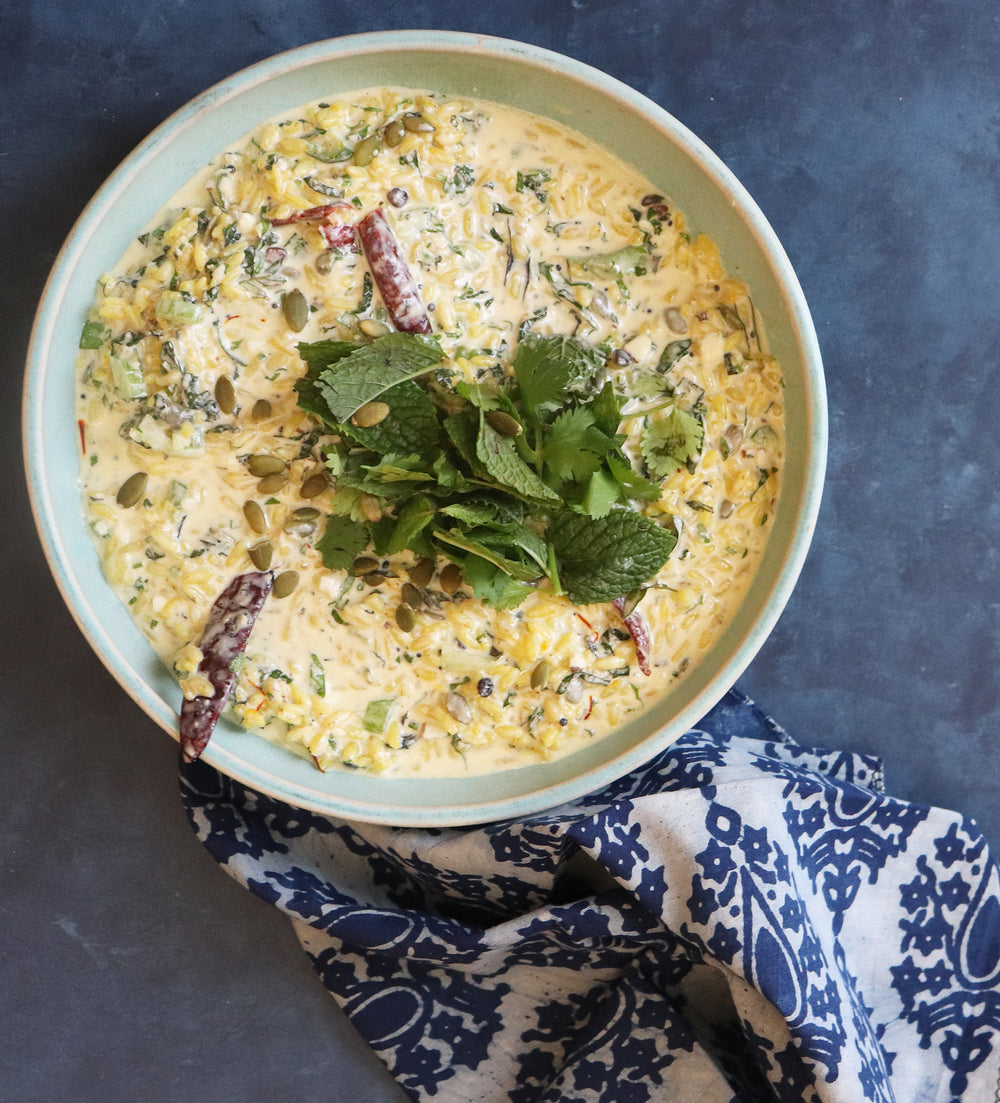


After nearly four decades of cooking rice, I made a surprising discovery last week completely by accident.

20 Min
DF
GF
NF
V
Perfect Rice
I was preparing a special lunch at Pondicheri's Bake Lab during a busy service and had to jostle with other cooks for stove space. The rice pilaf was almost done, but there was still a little water left in the pot, about two to three minutes shy of when I would normally take it off the stove.
To make room, I removed the pot early, set it aside and moved on to other tasks.
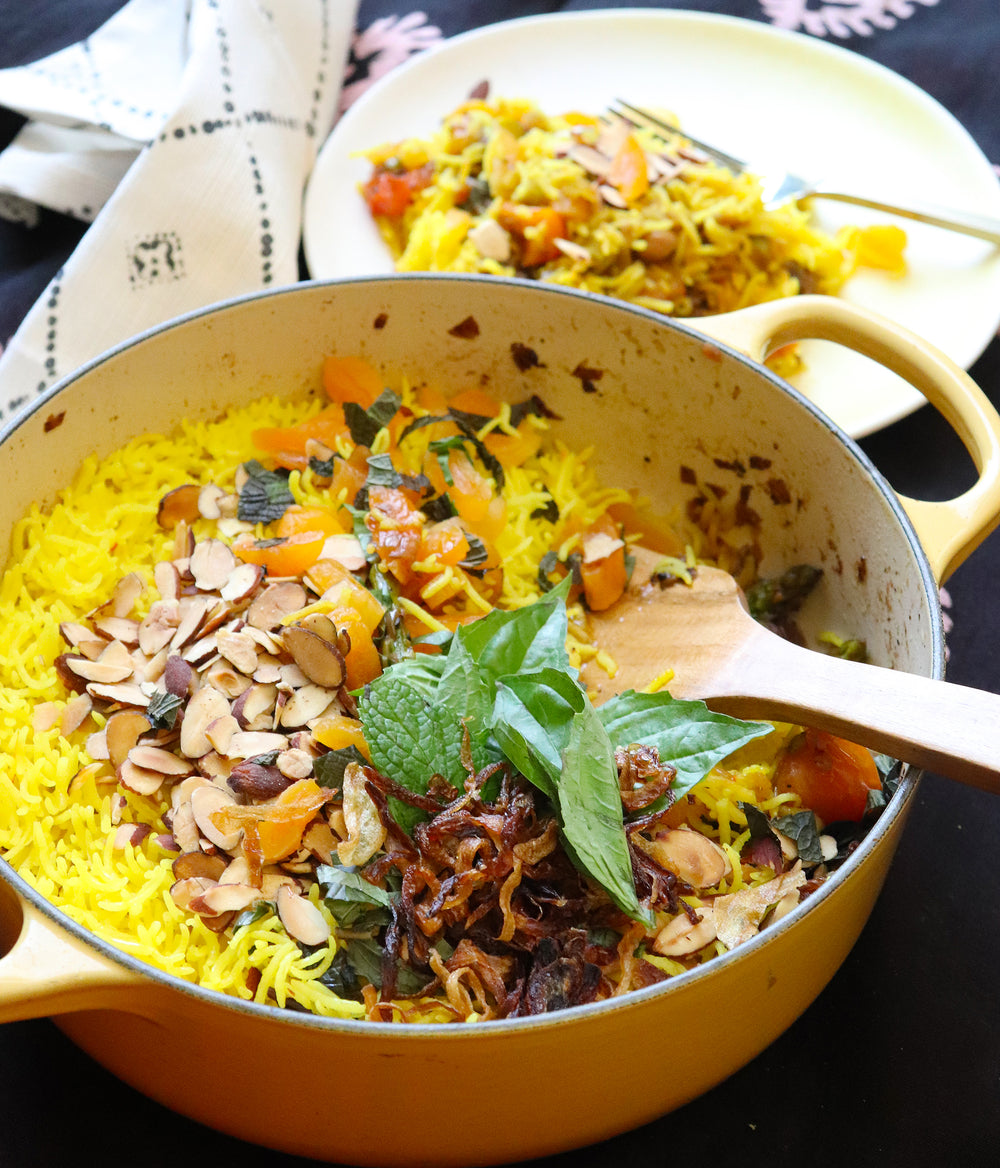
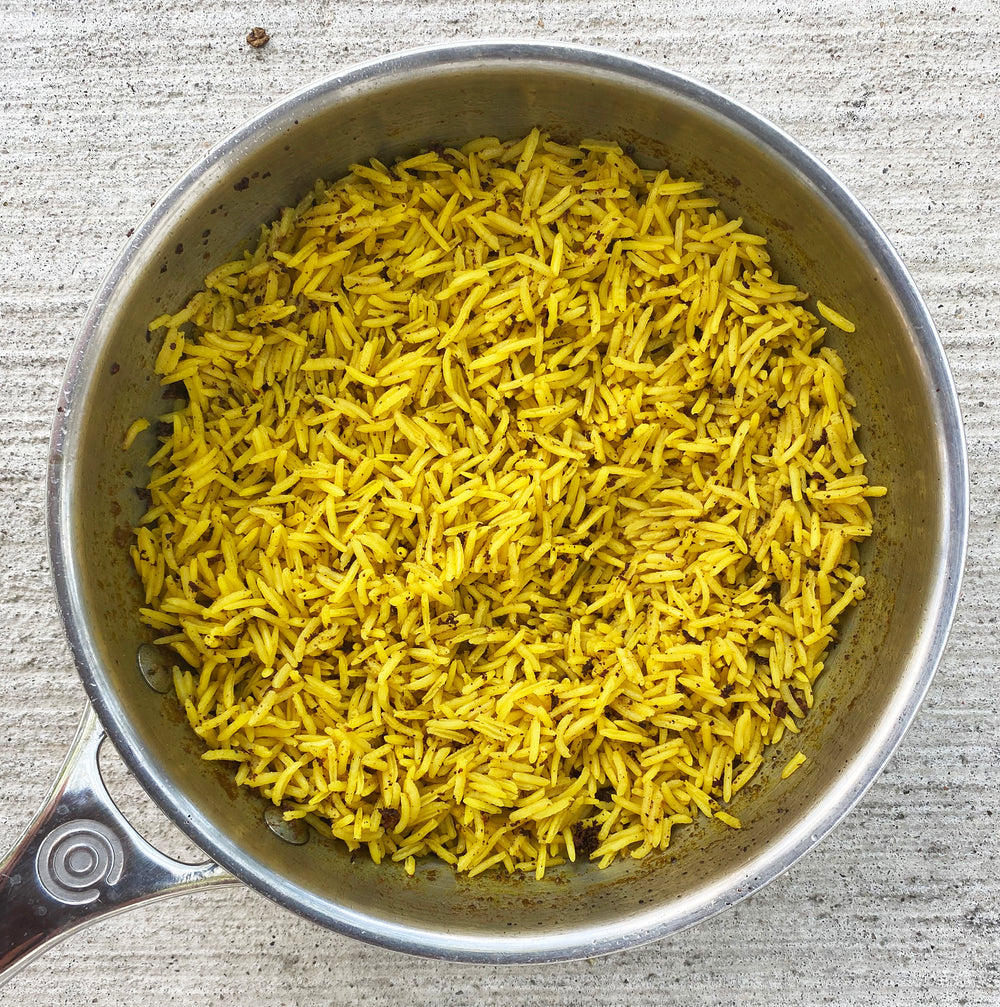
An hour later, I returned, gently ran a spoon through the rice. It was the most beautiful, flaky rice I had ever made. Every long grain was perfectly cooked and separate. Not a single kernel broke as I fluffed it. Even as a seasoned cook, I was amazed.
Since then, I’ve repeated the same method three times with identical results. Today, I’m sharing this simple technique with you.
The best part? Not only do you get a perfect pot of rice, but you also save time and energy. Over the years, I’ve shared many rice recipes with you. In the spirit of progress, I encourage you to apply this timing adjustment to all of them.
After nearly four decades of cooking rice, I made a surprising discovery last week completely by accident.
I was preparing a special lunch at Pondicheri's Bake Lab during a busy service and had to jostle with other cooks for stove space. The rice pilaf was almost done, but there was still a little water left in the pot, about two to three minutes shy of when I would normally take it off the stove.
To make room, I removed the pot early, set it aside and moved on to other tasks.
An hour later, I returned, gently ran a spoon through the rice. It was the most beautiful, flaky rice I had ever made. Every long grain was perfectly cooked and separate. Not a single kernel broke as I fluffed it. Even as a seasoned cook, I was amazed.
Since then, I’ve repeated the same method three times with identical results. Today, I’m sharing this simple technique with you.
The best part? Not only do you get a perfect pot of rice, but you also save time and energy. Over the years, I’ve shared many rice recipes with you. In the spirit of progress, I encourage you to apply this timing adjustment to all of them.
Cook Time
20 Minutes + soak & rest time
Serves
2
Directions
Step 1
Using cold tap water, rinse the rice in a bowl three times. No need to use a colander, just use your hands to tilt the bowl to pour the water out. Soak the rice for 2 to 3 hours. The rice should have absorbed a lot of the water and almost doubled in size. Drain the same way, removing most of the water. If a tiny bit is left, it’s fine.
Step 2
In a stockpot with a tight-fitting lid, combine the drained rice with 2 cups of water, salt and olive oil.
Step 3
Over high heat, bring the rice to a boil. Lower the heat to a medium-low setting, cover and simmer for 5-6 minutes.
Step 4
Check the rice, there should be a little bit of liquid left in it. Turn the heat off, cover the rice and let it rest, undisturbed for 45 minutes. Fluff the rice and serve!

Notes & Variations
- Every stove is different as are its heating elements. To get this right will require some experimenting with your stove as to when to turn the heat off on the rice.
- Once the rice is off the stove, it is always best to let it rest for at least 30 to 45 minutes before carefully stirring it. During the cooking process, do not stir it at all.
- While this recipe was tested on long grain basmati, I am confident it would work on most white rice including jasmine.
Ingredients
Step 1
Using cold tap water, rinse the rice in a bowl three times. No need to use a colander, just use your hands to tilt the bowl to pour the water out. Soak the rice for 2 to 3 hours. The rice should have absorbed a lot of the water and almost doubled in size. Drain the same way, removing most of the water. If a tiny bit is left, it’s fine.
Step 2
In a stockpot with a tight-fitting lid, combine the drained rice with 2 cups of water, salt and olive oil.
Step 3
Over high heat, bring the rice to a boil. Lower the heat to a medium-low setting, cover and simmer for 5-6 minutes.
Step 4
Check the rice, there should be a little bit of liquid left in it. Turn the heat off, cover the rice and let it rest, undisturbed for 45 minutes. Fluff the rice and serve!
Notes & Variations
- Every stove is different as are its heating elements. To get this right will require some experimenting with your stove as to when to turn the heat off on the rice.
- Once the rice is off the stove, it is always best to let it rest for at least 30 to 45 minutes before carefully stirring it. During the cooking process, do not stir it at all.
- While this recipe was tested on long grain basmati, I am confident it would work on most white rice including jasmine.
Tags:
20 Min
DF
GF
NF
V
Tags:
20 Min
DF
GF
NF
V

THE BEST ACCOMPANIMENT.
You can't go wrong rounding out your meals with rice.